Harry Styles made me do it!
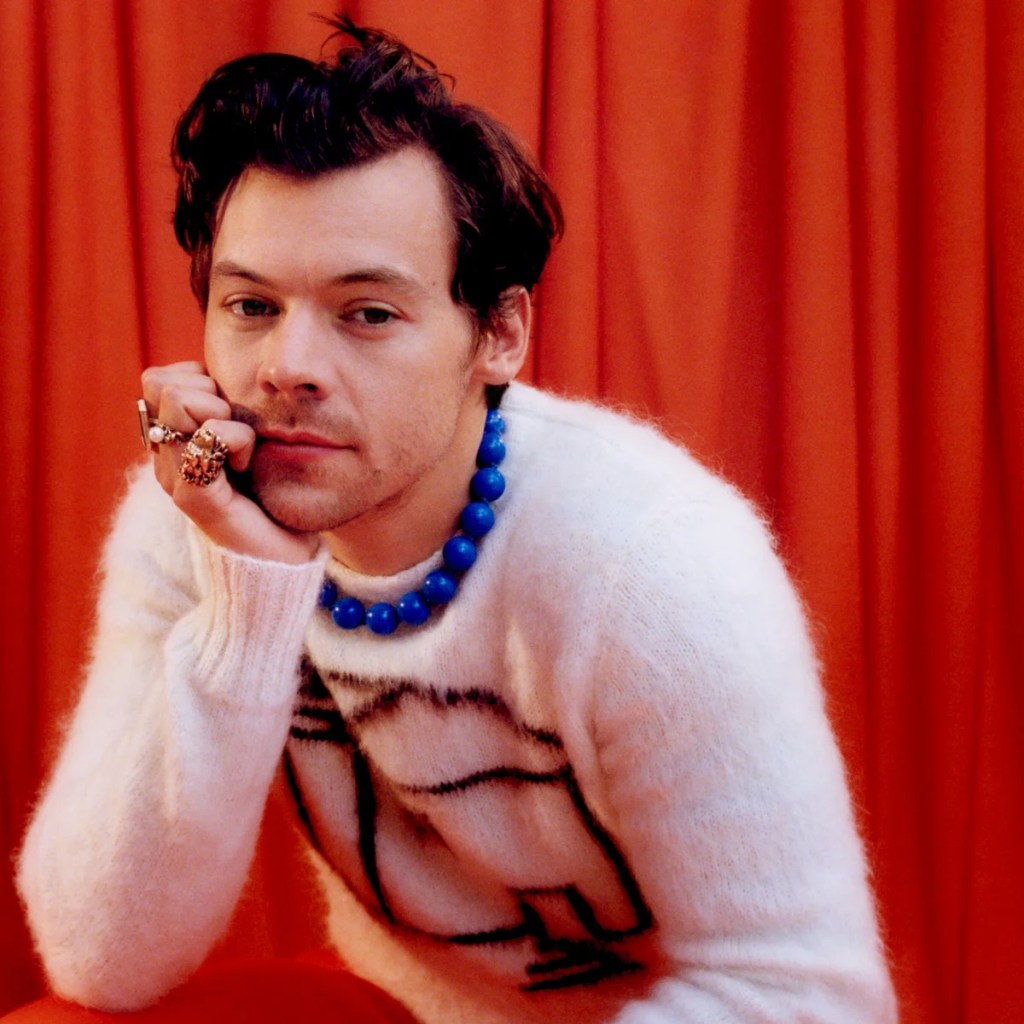
Hi everyone. I’m Sienna Radley. I’m a freshman majoring in psychology, and my long-term goal is to get a PhD in reproductive psychology. I know, big goals for someone still figuring out how to survive freshman year. I’m interested in people, emotions, and how mental health connects to reproductive health, which is why psychology felt like the right choice for me.
Reading and writing were rough for me growing up. I have a learning disability, and school reading always felt slow and stressful. I was the kid rereading the same page five times and still not sure what I’d read. Writing felt even worse. I always had thoughts, but putting them into sentences felt like trying to untangle headphones that lived in a backpack for months. Because of this, I never thought of myself as a reader or writer.
In school now, reading is still difficult when the topic does not interest me. Academic articles and textbooks are the hardest for me to focus on. Writing for school feels more structured and under pressure, which makes me second-guess myself a lot. Outside of school, reading feels completely different. When I get to choose what I read, I enjoy it. Last year, I read 43 books, which still surprises me. I mostly read romance books, especially cheesy romance stories. I like books focused on characters and emotions. I also use https://www.goodreads.com to track what I read and find new books I want to pick up.
In this course, I want to learn how to write in a way that feels natural and interesting. I want to unlearn the idea that writing needs to sound stiff or overly formal to count as good writing. I want my writing to feel engaging and easy to follow, the kind of writing people enjoy, instead of rushing through. One of the readings we started with in this class, file:///Users/siennaradley/Downloads/Bunn.How%20to%20Read%20Like%20a%20Writer.pdf, made me think differently about how reading and writing exist outside of school.
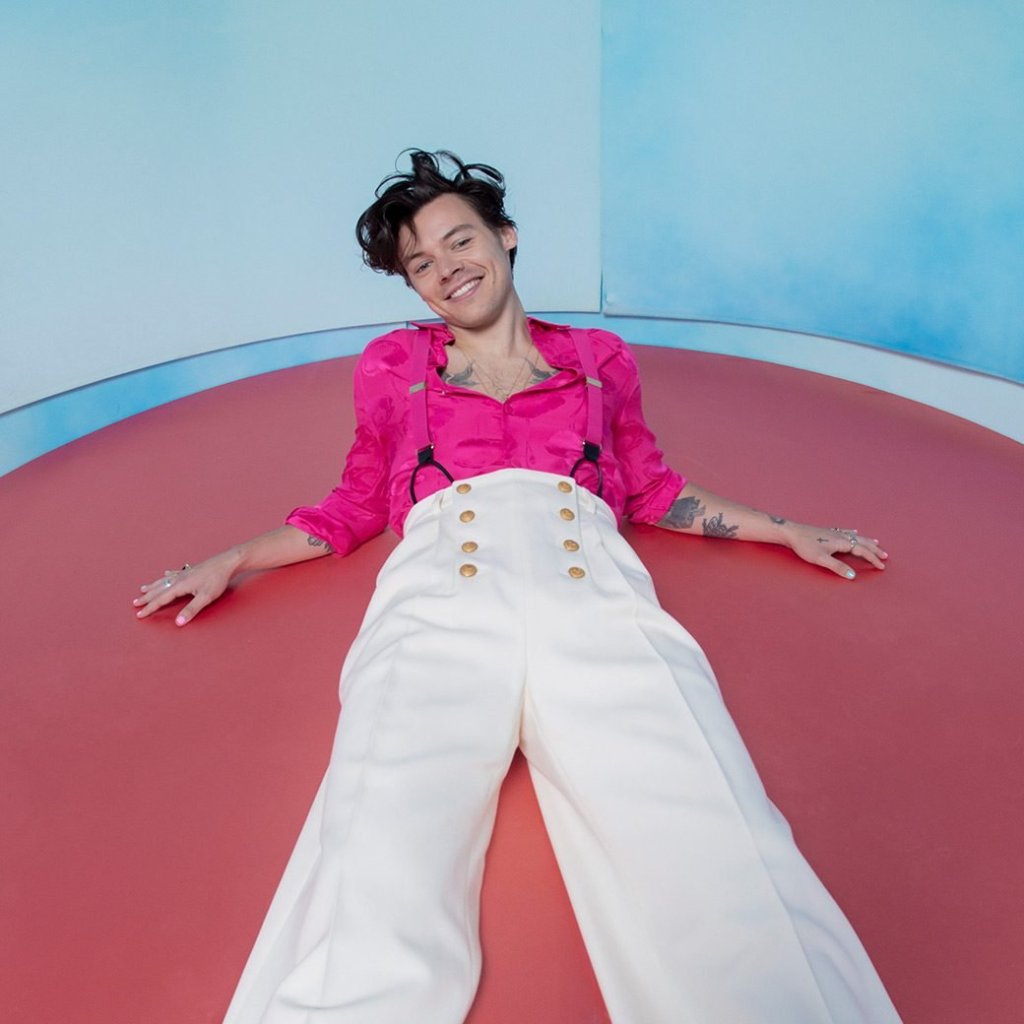
When I talk with other people, I usually end up talking about music, concerts, pop culture, or whatever artist I am obsessed with at the moment. Right now, that is fully Harry Styles. He is releasing new music and going back on tour, which has taken over my personality. I have tickets for London, which feels unreal to say out loud. Every conversation somehow circles back to tour dates, possible setlists, and me reminding people I am going to London for a concert. I spend a lot of time checking https://www.hstyles.co.uk for updates, tour dates, and announcements, even though nothing has changed since the last
time I checked. I like being able to share my excitement with others who understand why a song, outfit, or concert moment matters. Most of these conversations happen on TikTok, Instagram, and Twitter, where everyone is equally unwell about tour announcements. I also talk about it in person with friends, even if they did not ask. Music is one of the easiest ways for me to connect with people, and right now, Harry Styles is doing most of the heavy lifting.
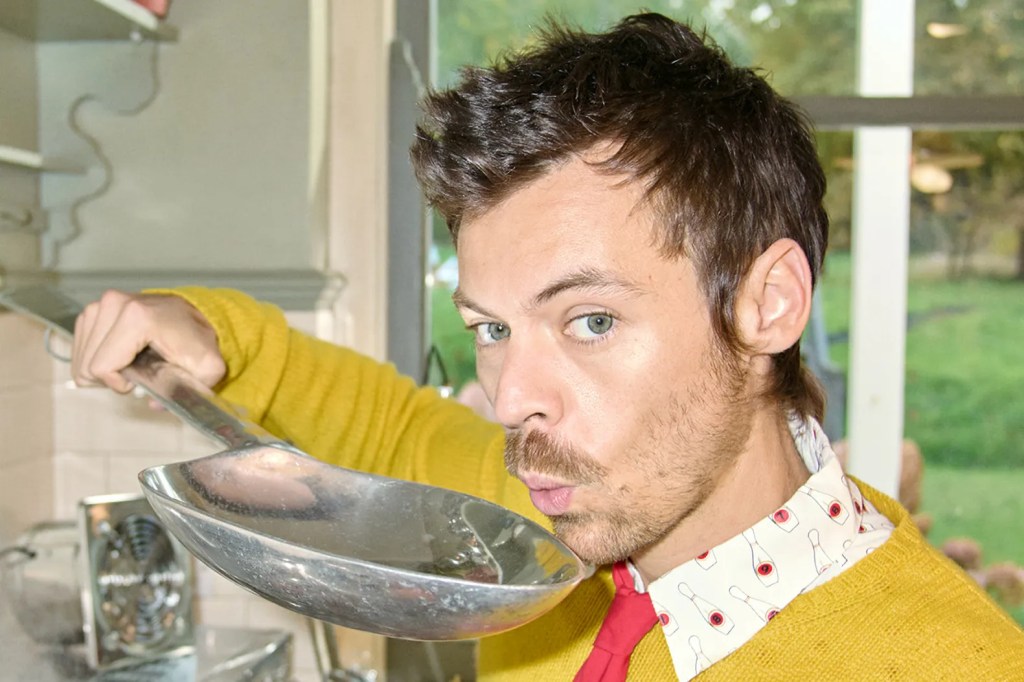
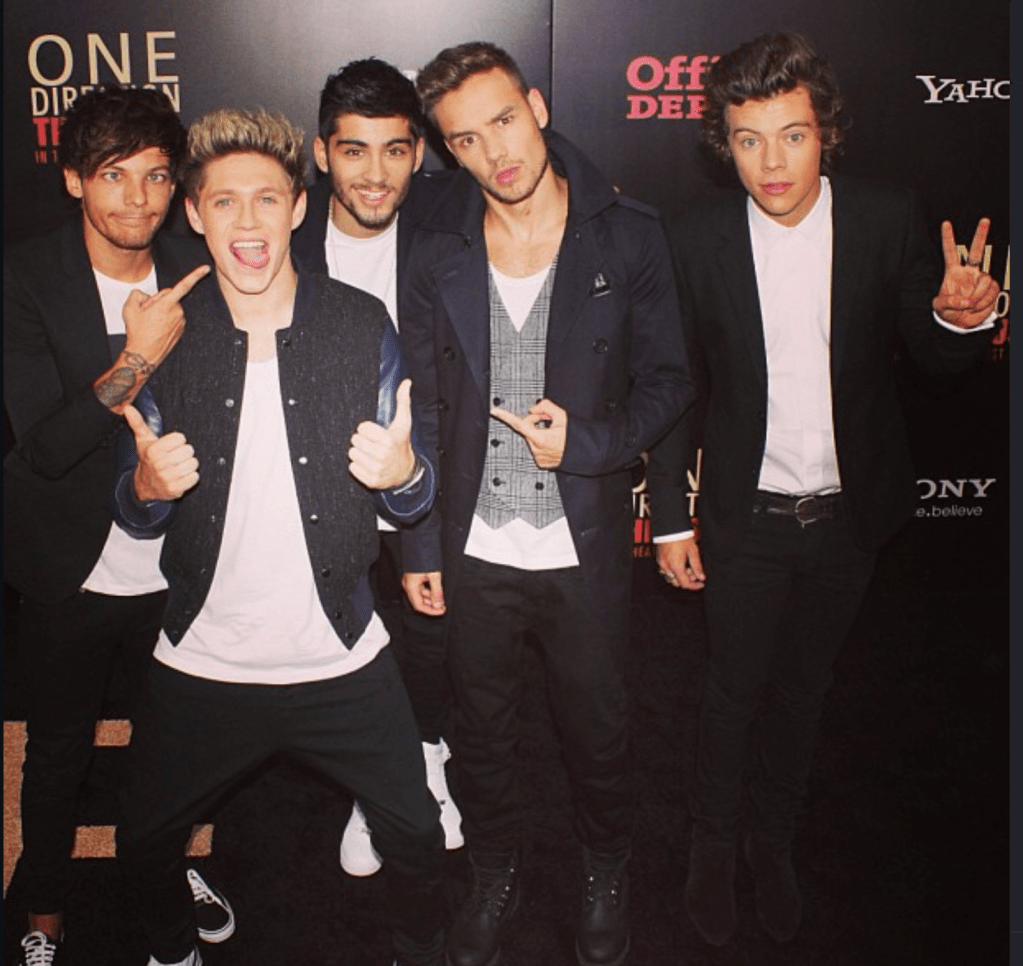

I got into One Direction when I was younger, before I was really online in the way fandoms are now. My entire experience lived on YouTube. I watched music videos, video diaries, interviews, and fan made compilations on repeat. That is how I learned everything. I knew their personalities, who was quiet, who was loud, and who never stopped joking, all without being part of online conversations.
One thing that made One Direction easy to get attached to was how they started. They did not even start as a band. They were put together on The X Factor after auditioning solo, which always made them feel more real. This YouTube video is my favorite when watching the old auditions, https://www.youtube.com/watch?v=VclS_bw2oRo. Looking back, they were clearly just figuring things out as they went. A lot of the early stuff is awkward in a way that somehow made it better. It did not feel polished or forced. It felt like watching something slowly become a big deal.
When Zayn left, everything shifted. Even though I was younger and not super involved online, that moment still felt heavy. The news was everywhere, and it was treated like a huge event, with outlets like the BBC covering it https://www.bbc.com/news/newsbeat-32057401. The vibe around the band changed almost immediately. Interviews felt different. Performances felt different. The group kept going as four, but everyone knew it was not the same. It was the first time it felt like the band might not be permanent.
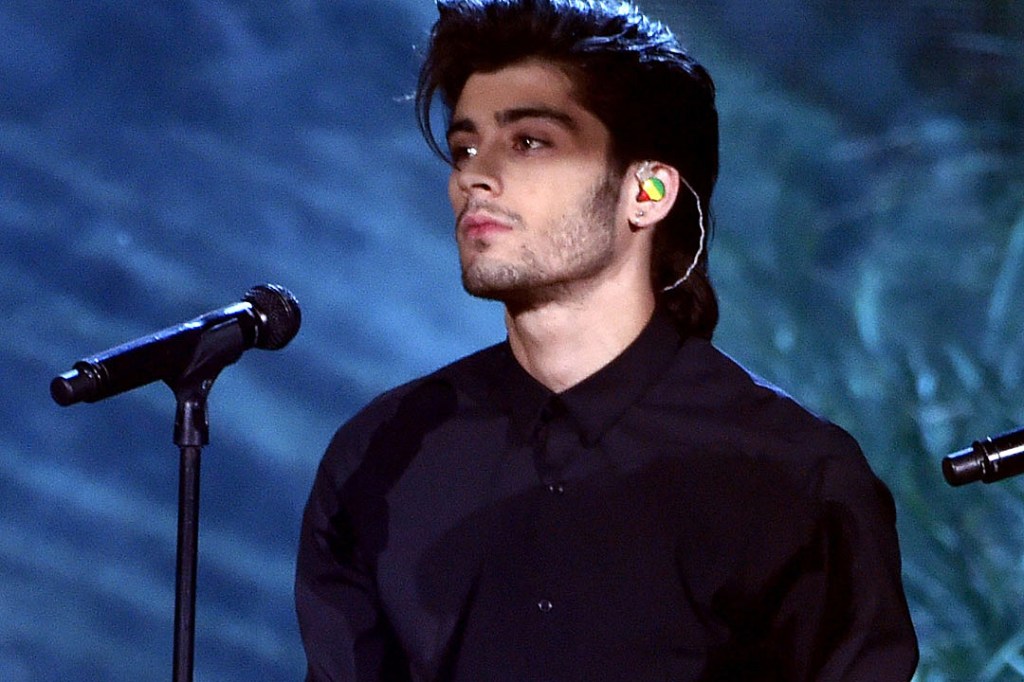
Then the hiatus happened, which we were all told was temporary. That word did a lot of work for a long time. There was no official breakup, just a slow pause that never really ended. Looking back, the hiatus was a turning point for both the band and the fandom. People had to figure out what they wanted to do next, whether that meant waiting, moving on, or following the members into their solo careers. It felt like a quiet ending instead of a clear one.
What I find interesting is how the fandom adjusted instead of disappearing. One Direction did not end overnight. It faded, and that era slowly closed. When Harry Styles started releasing solo music, it did not feel like starting from scratch. It felt like a continuation. The music grew up. The image changed. The audience grew up, too. The connection stayed, even if it looked different. As I got older, my connection to the fandom moved online. Now I see it on TikTok, Instagram, and Twitter. Old One Direction clips resurface, and suddenly everyone remembers everything, like in this TikTok https://www.tiktok.com/t/ZP8HkP8A7/. The shared memory is still there, even if we all experienced that time differently. Some people were deep in fan accounts and forums. I was deep in YouTube recommendations. Different paths, same outcome. This long history makes the fandom feel familiar, shared, and easy to return to, no matter how much time passes.
What keeps this fandom with me is how long it has lasted and how it has changed without disappearing. A lot of interests come and go, especially ones you have when you are younger, but this one grew up alongside me. The way the band formed, Zayn’s leaving, the hiatus, and the move into solo careers all shaped how the fandom works now. People understand references without explanation because we all lived through the same moments, even if we were watching quietly from our bedrooms. That long timeline is what turns it into a community instead of just liking a band, and it is why I want to keep exploring it for the rest of the semester.
When One Direction went on hiatus, it didn’t feel like a clean break. We were told it was only temporary, and for a time, that word held hope. But as the months went by and each member started putting out solo music, it became apparent that the end was not in sight. The end was simply changing form.
The first big split came when Zayn Malik left the group in 2015. News such as the BBC picked up the story right away, and this showed just how big a deal this was to people outside of the fandom. This marked a change in the atmosphere surrounding the group. Interviews were different. Concerts were different. When the group went on as a four-piece act, it was clear that something had changed. Then came the hiatus, which we were all assured was only temporary. There was no big split announcement, just a pause that gradually became permanent.
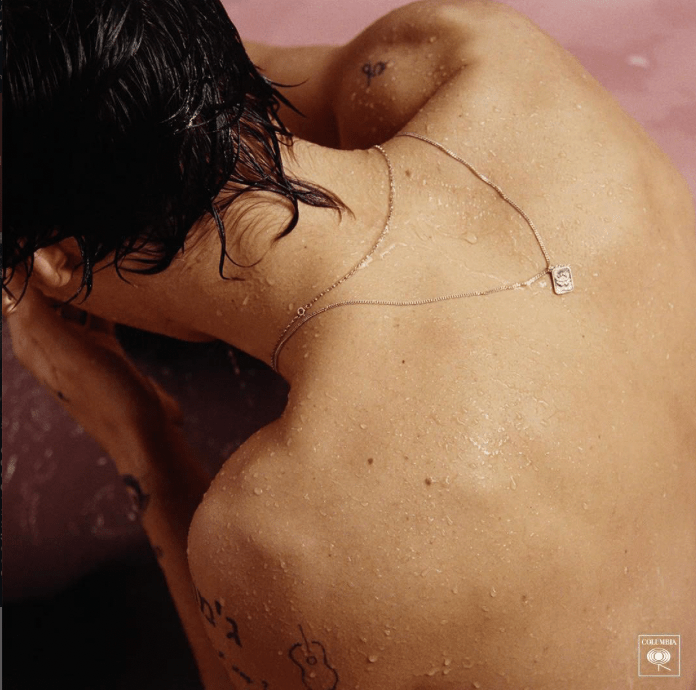
After that, everything shifted toward solo careers. When Harry Styles released “Sign of the Times,” I remember sitting there thinking, this is not One Direction. It was dramatic and slow and serious. It felt intentional. It felt like he was separating himself on purpose.
When Harry Styles’ self-titled debut album came out in 2017, I was curious but also a little unsure. Critics were watching closely. Rolling Stone talked about the album’s classic rock influences and how different it was from the band’s pop sound. Variety broke down the tracks and pointed out how songs like “Carolina” and “Sweet Creature” showed a more personal side of him.
What struck me was how much of a risk it seemed to be. He was not attempting to replicate the formula of the band. The album was more live, longer songs, and more serious in tone. It was not structured around catchy hooks the way One Direction songs were. At first, I was not sure how I felt. But the more I listened, the more it seemed like growth rather than distance.
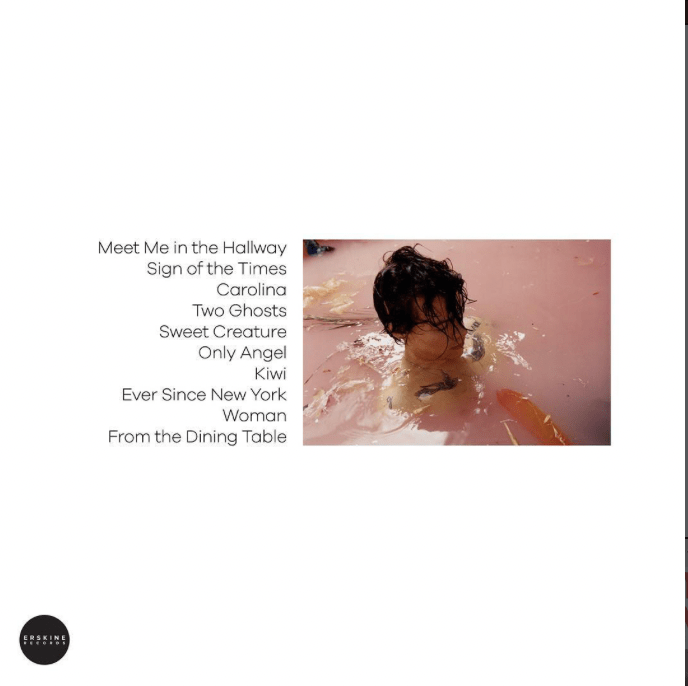
Over time, that risk clearly paid off. Later albums reached people who had never been part of the original fandom. His tours got bigger. The crowds got older. The conversations around him changed. At some point, people stopped introducing him as “from One Direction” and just said his name. Watching that happen felt strange but also kind of validating, like seeing someone step fully into who they are.
Meanwhile, Niall Horan, Louis Tomlinson, and Liam Payne built their own sounds and audiences, too. The fandom did not split apart the way people expected. It stretched. Some fans followed everyone. Some picked a lane. But the shared history never disappeared.
Now most of this lives online. TikTok, Instagram, and Twitter constantly resurface old One Direction clips next to solo performances. A single lyric or old interview reference still connects people instantly. Even if we all experienced it differently, we still understand it.
Another aspect that strikes me about the solo era is the way the conversations changed. With One Direction, it was all about the group. Who had the best verse, who was the happiest in interviews, who was interacting with who on stage. With the solo era, the conversations changed to be about individuality. I began analyzing lyrics more, discussing artistic direction and production decisions, and focusing on personal development. It was less about five guys sharing one spotlight and more about watching each of them discover who they were on their own. This changed the way the fandom felt. The energy was still there, but it was accompanied by more mature conversations and a focus on the music.
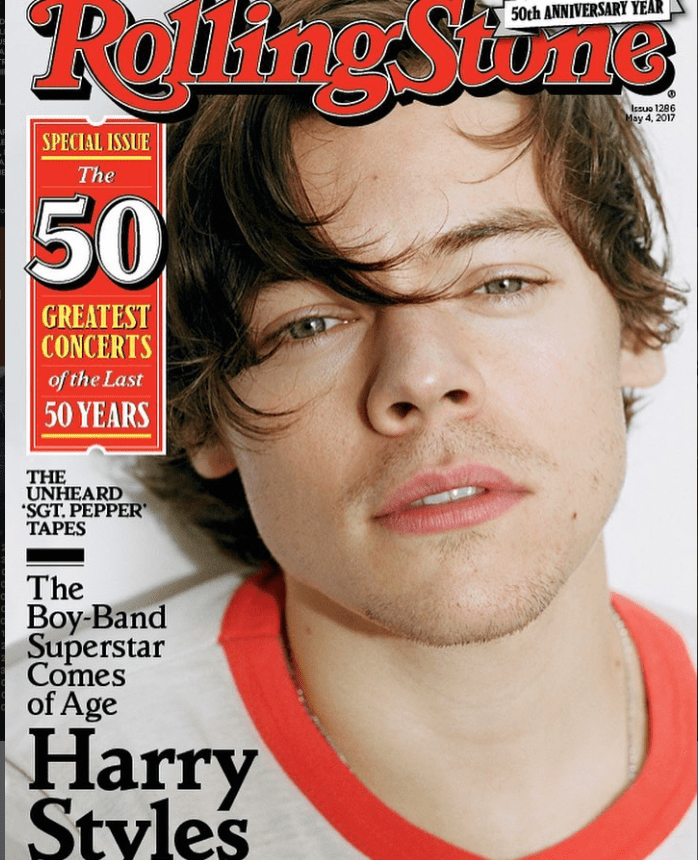
What keeps this fandom with me is not just nostalgia. It is the way it grew up at the same time I did. The band formed, someone left, the hiatus happened, and the solo eras began. I was younger during the band years. I am older during the solo years. The music changed, and so did I. The band may have paused, but the community did not. It evolved, and I kind of did too.
When I think about the communities I’m part of, three immediately come to mind is the Harry Styles fandom, surfing, and my sorority, Delta Gamma. They are all completely different, but somehow all important to me. That being said, one of them very clearly takes over my life more than the others, and that is Harry Styles.
The Harry Styles fandom is a mix of people, but a lot of it is girls around my age, plus people who have been around since One Direction. I know this just from being online and from concerts. People are there because they like the music, but also because it feels like everyone understands each other without needing a full explanation. It’s not just listening to songs. It’s talking about lyrics like they are personal, overthinking setlists, and refreshing for updates way more than necessary.
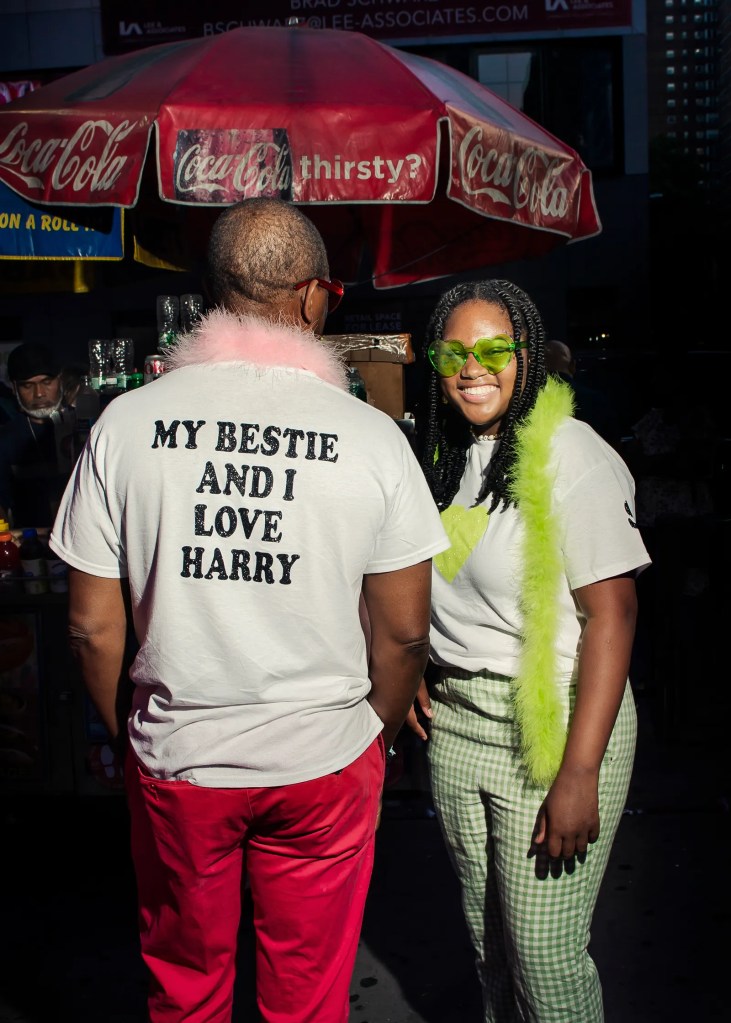
What I like about this community is how expressive it is. People go all out for concerts, outfits, signs, everything. It feels like everyone is in on the same thing. Most of the communication happens online, especially on TikTok, Instagram, and Twitter. Something can happen and within five minutes everyone is talking about it. I usually check Harry Styles’ website for updates, even though I know I’ll see it everywhere else.
There is also a shared language in this fandom that you don’t really notice until you’re in it. People reference lyrics, old interviews, or random moments and everyone just gets it. For example, someone can just say “Kiwi live” or reference a specific outfit or tour moment, and everyone immediately knows the exact performance and energy they’re talking about without needing more explanation. If you don’t understand at first, you pick it up just by being around it. I didn’t realize how much I understood until I saw someone else confused by something that made total sense to me.
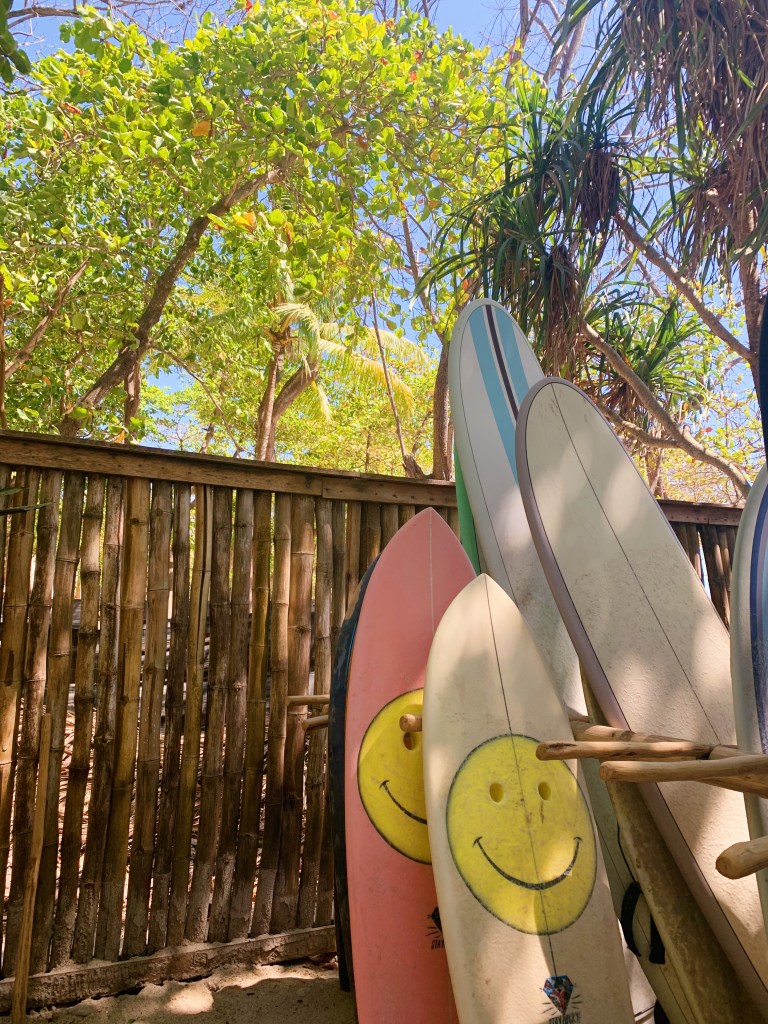
Another community I’m part of is surfing, which feels like the complete opposite. The people in this group are all different ages, but everyone is there for the same reason. They like being in the water. That’s it. There’s less talking and more just doing. Surfing values patience and respect, especially for the ocean and for other people around you. Communication is not always spoken. You learn by watching, by messing up, and by trying again. People still connect, especially before and after, or through sites like Surfline, but it’s way calmer than the fandom.
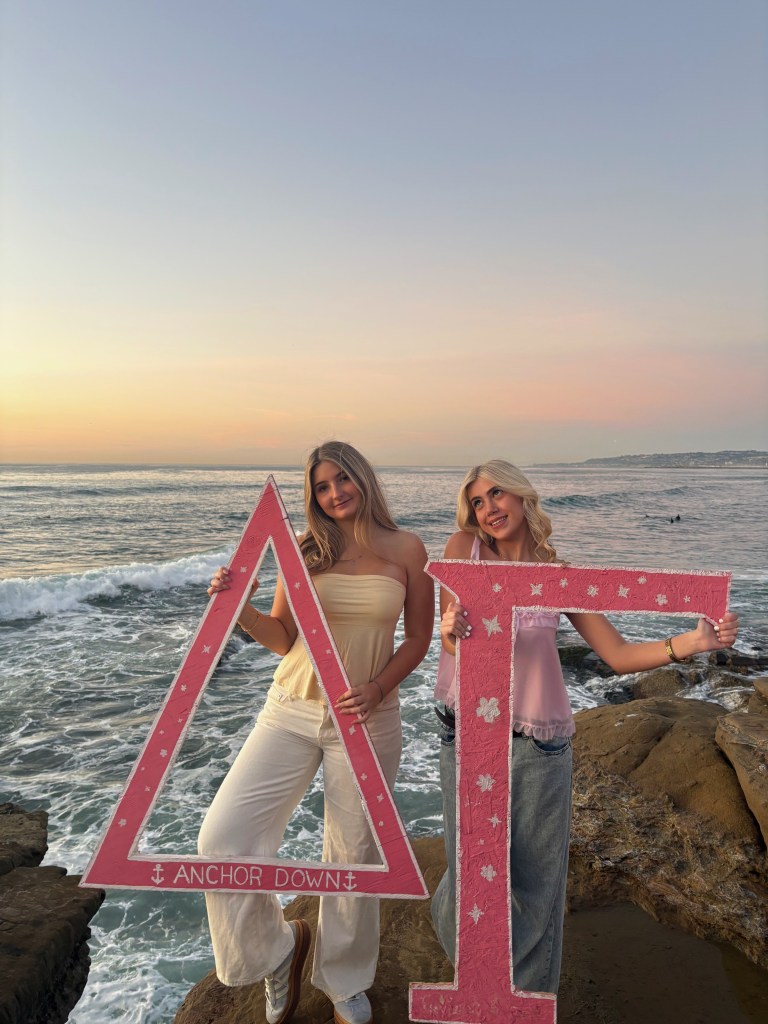
The last community I’m part of is my sorority, Delta Gamma. This one is more structured, but still really social. It’s mostly college girls who want connection and support, but also leadership and involvement. There are events, meetings, and group chats that keep everything organized. You can see more about it here Delta Gamma.
What I’ve noticed is that even though these communities are really different, they all give you a place to belong. For me, the Harry Styles fandom stands out the most because it feels the most constant. It’s always active, always changing, and always something to talk about. It’s the one I spend the most time in, and honestly the one I keep coming back to without even thinking about it.
Lately, one of the biggest things being talked about in the Harry Styles fandom is his interview with Brittany Broski. This video has been everywhere, and it’s a really good example of how this community works. The interview itself is the original content, but what makes it interesting is everything that happens after it gets posted. It’s one of those things where you watch it once, and then suddenly it’s all over your feed in different clips and angles.
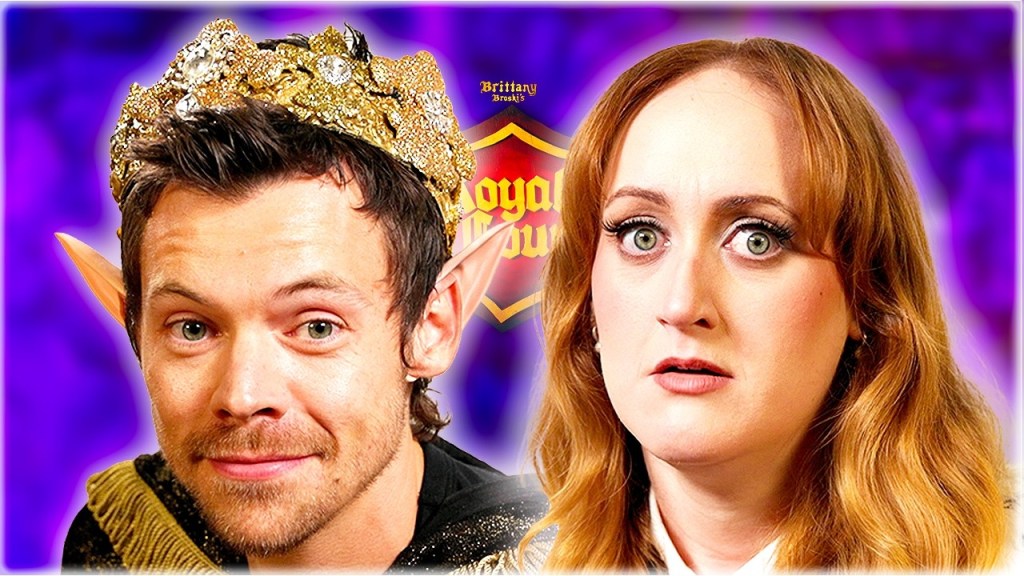
In the interview, he comes across way more relaxed and natural than in a lot of his more formal press. He jokes around, laughs, and actually shows personality in a way that feels familiar. It doesn’t feel like he’s trying to say the “right” thing the whole time. A lot of people in the fandom pointed out that it reminds them of how he used to act in older interviews, especially from earlier eras. It feels less filtered, which is something people have been missing.
One part that people focused on a lot was the way he talked about taking a break. Instead of it sounding like a big dramatic announcement, it felt pretty normal and honest. He talked about needing time, and it didn’t feel like he was overexplaining it. That stood out to people. It made the whole situation feel more real instead of something distant or overly managed. You can tell people were paying attention because that one part alone turned into a full discussion.
The way this interview spread shows exactly how this fandom communicates. People clipped small moments, reposted them, and focused on very specific details that you might not even notice at first. This TikTok is a good example. It points out how his personality in the interview feels similar to older versions of him, and a lot of the comments agree with that. It turns into this shared moment where everyone is kind of realizing the same thing at once.
What I find interesting is how much meaning people pull from small things. A short clip, a laugh, or the way he answers one question can turn into a whole conversation. People immediately connect it back to older interviews, past eras, or even specific moments they remember. It’s like everyone already has the background knowledge, so no one needs to explain anything. This also shows how people learn to be part of the community. If you don’t understand something at first, you pick it up by reading comments or watching more clips. After a while, things that used to be confusing start to make sense. It’s not something anyone teaches you directly, but it still feels like there are clear ways people are expected to talk and respond.
What I want to understand more is how these moments turn into shared meaning so fast. An interview is just one video, but it turns into something bigger once people start reacting to it. The way fans talk about his personality, his past, and even something like taking a break shows what they care about. It’s not just about what he says, it’s about how everyone interprets it together.
If you’ve spent even five minutes talking to a Harry Styles fan, you already know this conversation never gets old. People have been going back and forth for years about whether Harry is queer, whether he’s queerbaiting, or whether everyone needs to chill and let him exist. It’s one of those topics that always comes back, especially after a tour moment, a new usually feminine outfit, or an interview.
So what are people actually arguing about? It mostly comes down to how Harry presents himself. He wears dresses, paints his nails, waves Pride flags on stage, and plays queer roles like in My Policeman. For a lot of fans, that feels powerful. It looks like someone breaking gender rules in a way that makes pop culture feel more open. Some people see him as a safe space, especially younger fans figuring out their own identity.
Although then there’s the other side, people say Harry benefits from queer aesthetics without fully claiming a queer identity. They feel like he gets praise for being “different” while not facing the same struggles that openly queer artists deal with. The Guardian even called his comments about sexuality “frustratingly coy,” which pretty much sums up how that side feels. They want clarity. They want him to either claim it or stop leaning into it.
This conversation picked up more traction when he went on Saturday Night Live and talked about queerbaiting directly during his monologue. He joked about the rumors around his sexuality and then kissed a guy on stage. That moment blew up everywhere online, some fans loved it and thought it showed confidence and support. Others felt like it made the queerbaiting argument stronger. They saw it as playing into the speculation without actually saying anything real. Even the way he talked about it, kind of joking and brushing it off, didn’t calm things down. It honestly did the opposite, people started arguing even more because now there was a new moment to talk about.
Then you have people pushing back against the whole queerbaiting accusation itself. According to Them, the internet has stretched the word “queerbaiting” so much that people now use it on real people instead of characters or marketing. The article says that Harry Styles has become one of the biggest targets of this, which shows how intense the focus on him has become. It also argues that demanding labels from real people crosses a line, especially when it comes to something as personal as sexuality.
And Harry himself? He doesn’t really help settle anything. He’s said in interviews that he doesn’t feel the need to label his sexuality publicly and that the expectation to define it isn’t necessary. That makes sense to a lot of people. Like, why should he have to explain himself to the world? But at the same time, it keeps the conversation going because people keep trying to figure him out anyway.
This whole situation actually impacts more than just Harry, queer fans are a huge part of this. Some feel seen and supported by him, while others feel like he’s taking up space without fully representing them. It also affects openly queer artists, who often don’t get the same level of attention or freedom. And it shows how intense internet culture has gotten. People feel like they deserve answers about someone else’s identity. At the end of the day, this debate sticks around because it connects to bigger issues like representation, privacy, and identity. Harry Styles is just one person, but the way people talk about him shows how complicated those issues have become.

I rewatched One Direction: This Is Us recently, and I did not expect it to feel so different. The first time I saw it, I was fully in my One Direction phase. I watched it for fun, for the music, and for the feeling of being part of something huge. Now, I follow Harry Styles as a solo artist. I pay attention to his interviews, his fashion, and how he expresses himself. Watching the movie again felt like looking at an earlier version of him that was not fully formed yet.
The movie still does a great job capturing the energy of that time. Seeing their journey from The X Factor to sold-out stadiums is exciting. The fan reactions feel real, and it reminds me why so many people connected to them. But once the excitement settles, I started to notice things that felt off.

One of my biggest issues is how polished everything feels. Every scene seems edited to present a perfect image. You do not see real conflict, stress, or creative disagreements. I also think a big reason for this is how controlled everything was by management at the time. The band was being marketed in a very specific way, and each member had a role they were expected to fit into. Because of that, the film feels less like a real look into their lives and more like a version of them that was carefully shaped to be appealing. It makes sense from a business perspective, but as a fan watching it now, it feels limiting. You can tell there was more going on behind the scenes that we were not allowed to see. This stands out more when I compare it to Harry’s later work, especially Fine Line. That album feels open and emotional. You can hear vulnerability in his voice and in the lyrics, and it feels like he has control over how he is presenting himself. The documentary does not have that same honesty.
When I look at how he presents himself now on his official website, I see someone who values individuality and honesty. The film does not show that side at all.
The trailer kind of shows all of this right away. It is full of concert clips, fans screaming, and quick funny moments between the band. It is fun to watch, and it definitely pulls you in, but it also feels very controlled. There are no serious moments in it. You do not see stress, pressure, or anything that feels difficult. It just shows the exciting parts. Even when they talk, the lines are short and kind of general, like they are meant to sound inspiring but not too deep. It also focuses a lot on them as a group instead of individuals. You see all of them together most of the time, which makes sense for branding, but it does not give you a real sense of who Harry is on his own. So before you even watch the movie, the trailer already tells you what kind of story you are going to get. It is going to be fun, emotional, and easy to watch, but not very real or detailed.
Another thing that stood out to me was how fans are shown in the movie. Most of the time, you just see people screaming, crying, or holding posters. And yeah, that was a real part of it. I was like that too at one point. But that is not all the fan community is. The movie makes it seem like fans are only emotional and reactive, like all we do is scream at concerts and cry over them. It does not show how much thought and creativity actually exists in the fandom. Even back then, fans were making edits, writing about the band, running fan pages, and building whole communities online.
Now, it is even more obvious how much depth there is. On apps like TikTok, people break down Harry’s lyrics, talk about what his outfits mean, and connect his music to bigger ideas like identity and self-expression. Fans are not just reacting anymore, they are interpreting and creating. The movie does not show any of that. It keeps fans in this one category of being loud and emotional, which kind of takes away from how important the fan community actually is. The fandom helped build their success, and it is way more complex than what the movie shows.
I do not hate this movie. I still liked parts of it, mostly because of the memories. It reminds me why I became a fan in the first place, and the concert scenes still feel big and exciting. It works really well as something to look back on. But watching it now, it feels too controlled. Everything is edited to look perfect, and once you notice that, it is hard to ignore. It feels like you are seeing a version of them that was made for the public, not who they really were. Looking at it from a Harry Styles perspective makes that even clearer. Back then, he felt like part of a group image. Now, especially with music like Fine Line, he feels honest and individual. That difference makes the movie feel limited. The same thing happens with the fans. The movie shows them as loud and emotional, but the fan community is way deeper than that. It just does not show it. So for me, this movie works as a memory, not as a full documentary. It shows where everything started, but not who Harry or the fans really are now.
If you spend time in Harry Styles fan spaces, you notice something pretty quickly. People are not only talking about his music. They talk about memories, timelines, and how long they have been “with him.” That connects to a different question, what makes someone feel like an insider in this community. From what I have seen, one of the biggest unspoken values in this discourse community is loyalty over time. A lot of fans feel like they grew up with Harry Styles. They followed him from One Direction to his solo career. People will say things like “I’ve been here since 2012” or “I watched him on X Factor.” That history becomes a kind of status. The longer you have supported him, the more “real” of a fan you are seen as.
This is where my research starts to connect with outside sources. According to Gleason et al. (2017), parasocial relationships form over time through repeated exposure. Fans feel like they know a celebrity because they have seen so much of their life. In this case, Harry Styles has been in the public eye since he was a teenager, so fans have watched him grow up. That makes the connection feel more personal, almost like growing up with someone you know.
Another study, Tukachinsky (2011), explains that the more often people see a celebrity, the stronger the emotional bond becomes. Harry’s career gives fans constant content, from old One Direction interviews to current concerts and social media clips. Fans are not only connected to who he is now, but also to who he used to be. That long timeline strengthens the feeling of connection.
This also shapes who feels comfortable in the community. Fans who have followed him for years often feel more confident speaking, posting, and sharing opinions. They know the references, the old interviews, and the inside jokes. Newer fans sometimes feel like outsiders because they do not have that same history. They might not understand certain references or feel less “valid” as fans. This idea connects to Click et al. (2013), which explains that fan communities build identity through shared knowledge and experience. In this fandom, knowing Harry’s past becomes part of your identity as a fan. It separates insiders from outsiders without anyone directly saying it.
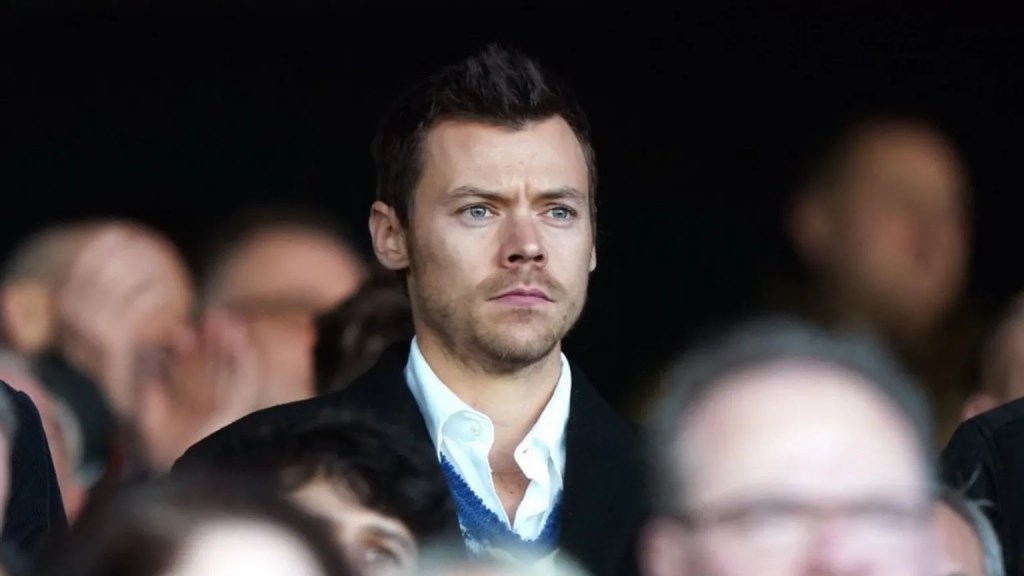
There is also a more extreme side of this connection. A BBC News (2024) article describes a fan who sent Harry Styles thousands of letters and messages, believing there was a real relationship. This example shows how years of exposure can blur boundaries. When someone has followed a celebrity since they were young, the connection can start to feel personal instead of distant. This does not represent most fans, but it highlights how powerful long term attachment can become. Another source, Harvard Health on parasocial relationships, explains that these connections help people feel less alone. That fits here because fans are not only connecting to Harry, they are connecting to their own past. Supporting him becomes tied to their own memories and growth.
When you connect all of this, a clear pattern shows up. This community values long term loyalty, shared history, and emotional connection built over time. Fans who “grew up” with him feel like insiders, while newer fans may feel like they have to catch up. My source matrix helped me see how my own observations connect to research. This is not only about liking an artist. It is about feeling like you have been part of his story for years.
What I learned about reading and writing this semester:
This semester honestly changed how I think about reading and writing. At the start, I would read something just to get through it and understand the basic idea. Now I slow down more and actually pay attention to how something is written. I think about who it’s for, what the writer is trying to do, and why they made certain choices. I didn’t really do that before.
My writing changed too. One of the biggest things for me was reading Anne Lamott’s “Shitty First Drafts.” She talks about how all writers start with messy drafts and how you’re supposed to just get everything down first instead of trying to make it perfect . That honestly stuck with me a lot because I used to get stuck trying to make everything sound right right away. Now I just start writing and fix it later, which makes everything way easier. I even went back to it using this link Shitty First Drafts
How I learned it and what stood out:
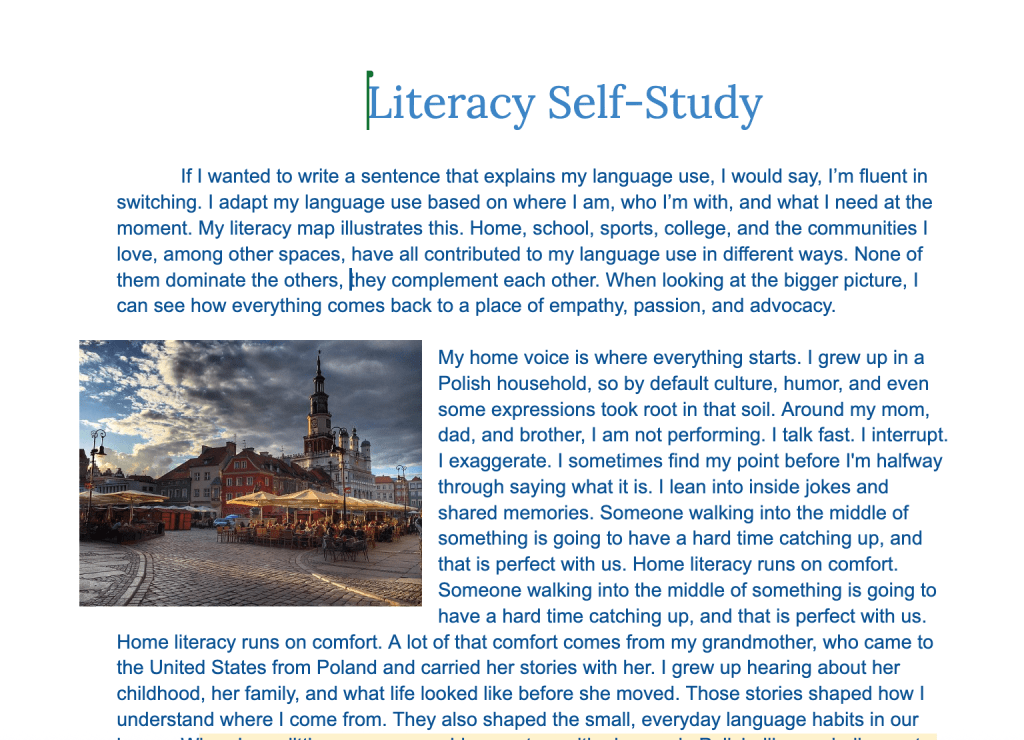
Two assignments really stayed with me. The first was my Literacy Self Study. In that, I talked about how I switch how I talk depending on where I am and who I’m with . Writing that made me realize I already think about audience all the time, I just never connected it to writing. That assignment made me see that switching is not a bad thing, it’s something I’m good at.
The other assignment was my research paper about parasocial behavior in the Harry Styles fandom. I looked at how fans build emotional connections and how it creates both community and problems. That paper pushed me more than anything else. I had to use real examples, research, and actually support what I was saying. It made me realize writing is more about building an argument than just explaining something. I also used Purdue OWL while working on it Research and Citation Resources – Purdue OWL which helped me understand sources and citations better.
What I learned about myself
One big thing I learned is I’m not a bad reader, I just need to care about what I’m reading. In my self study I talked about how I read like 40 books for fun, but struggle more with school reading . That made me realize the problem isn’t me, it’s how connected I feel to the material. I also learned I’m really adaptable. I change how I talk depending on the situation. I used to think that meant I didn’t have a “real” voice, but now I see it as awareness. I know how to read the room and adjust. Also I need to let myself write messy. If I try to make everything perfect right away, I get stuck and overthink everything. When I just start writing, it goes way better.

My greatest strengths
I think my biggest strength now is understanding audience. I know how to adjust my tone depending on who I’m writing for. That shows up a lot in both my papers. I’m also good at connecting ideas to real examples. In my research paper I used actual fan behavior and connected it to bigger ideas like identity and belonging . That made my argument stronger.
Another strength I’ve noticed is how I use emotion and empathy in my writing. I care about what I’m saying, and I think that shows. In both my self study and my research paper, I wasn’t just listing facts, I was trying to understand people and experiences. Like in my research paper, I didn’t just explain parasocial behavior, I showed how it makes fans feel supported or understood, but also how it can go too far. That balance comes from thinking about people, not just ideas. I also feel like I’m good at making my writing feel real. I try to connect with the reader instead of sounding robotic. That comes from my own experiences and how I think about others. Because I naturally read emotions in real life, I bring that into my writing too.
How this helps me in other classes and life

These skills are going to help me in all my classes. I feel more prepared to read harder texts and break them down instead of just getting overwhelmed. When I write, I know how to organize my ideas better and support them. Outside of school, this helps with communication in general. I already adjust how I talk depending on who I’m with, but now I understand why that matters. That’s going to help with jobs, group work, and just everyday situations. I also feel more confident figuring out what sources are actually reliable. That matters a lot with how much information is online now.
What I want to work on I still want to work on feeling more confident in academic writing. Sometimes I overthink everything and worry about sounding right instead of just saying what I mean. I also want to get better at reading academic texts. They still take me longer and sometimes I lose focus. Another thing is organization in longer papers. I have good ideas but I want them to connect more clearly.
How I will improve
To get better at writing, I’m going to keep letting myself write messy drafts first instead of overthinking. Then I can go back and fix things. I also want to pay more attention to feedback and actually use it. For reading, I’m going to break things into smaller parts and focus on main ideas instead of stressing about every detail. For organization, I’ll try outlining before I start writing so everything stays clear.
Overall
This class helped me more than I expected. I learned how to analyze texts, build arguments, and use sources. I also learned how to revise and not expect perfection right away.More than anything, I feel more confident in my voice. I get that writing is about


